When we started looking for our first horse, I didn’t have a long list of requirements.
I wasn’t searching for a certain breed, age or height. I had a budget — up to $1,500 — but beyond that, I mostly put the decision in my daughters’ hands. They were the ones who were going to ride, and I wanted them to find a horse they connected with.
Looking back now, there are so many things I didn’t know.
And I mean so many.
Falling in Love Isn’t the Only Thing That Matters
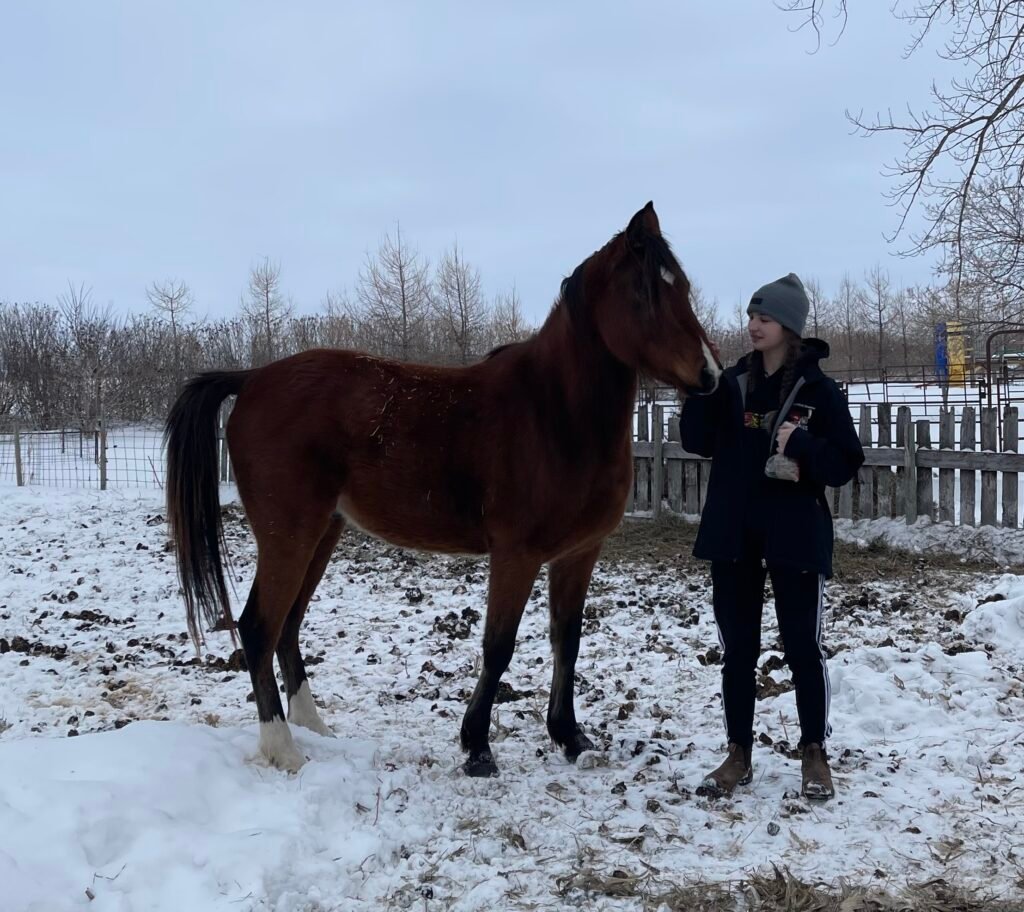
When we went to see Apollo, his owner lunged him for us. We didn’t ride him. We were told that he hadn’t been handled much and that she was just beginning his training.
We could tell right away that he was high-strung and herd-bound. We knew Jaydyn wasn’t going to be able to simply hop on and start riding him. They were going to need time together first.
And we were okay with that.
Jaydyn had done a ton of research, and I trusted her. I let her take the lead because, quite honestly, I didn’t know enough myself to know what questions I should be asking.
Today, I would approach that very differently.
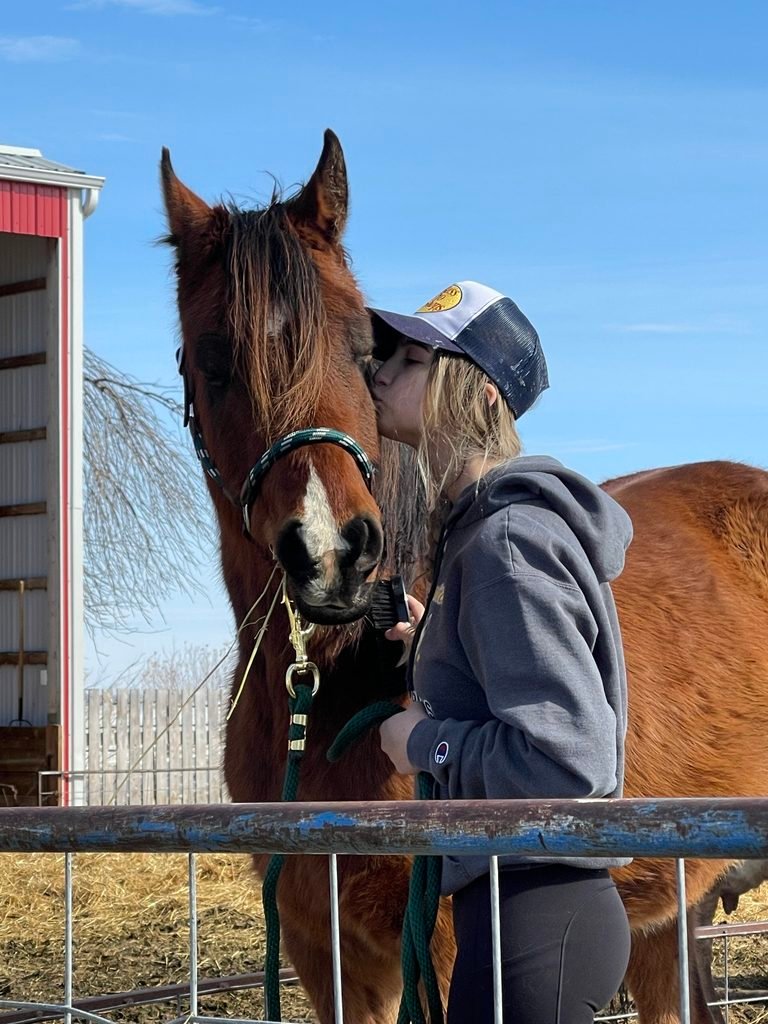
Not because I regret Apollo. He’s part of our family, and his journey has become such a huge part of our story.
But because buying a horse isn’t only about whether you love them.
It’s also about whether that horse is the right match for what you want to do.
I Wish I Had Understood Conformation
One of the biggest things I wish I had known was what to look for physically.
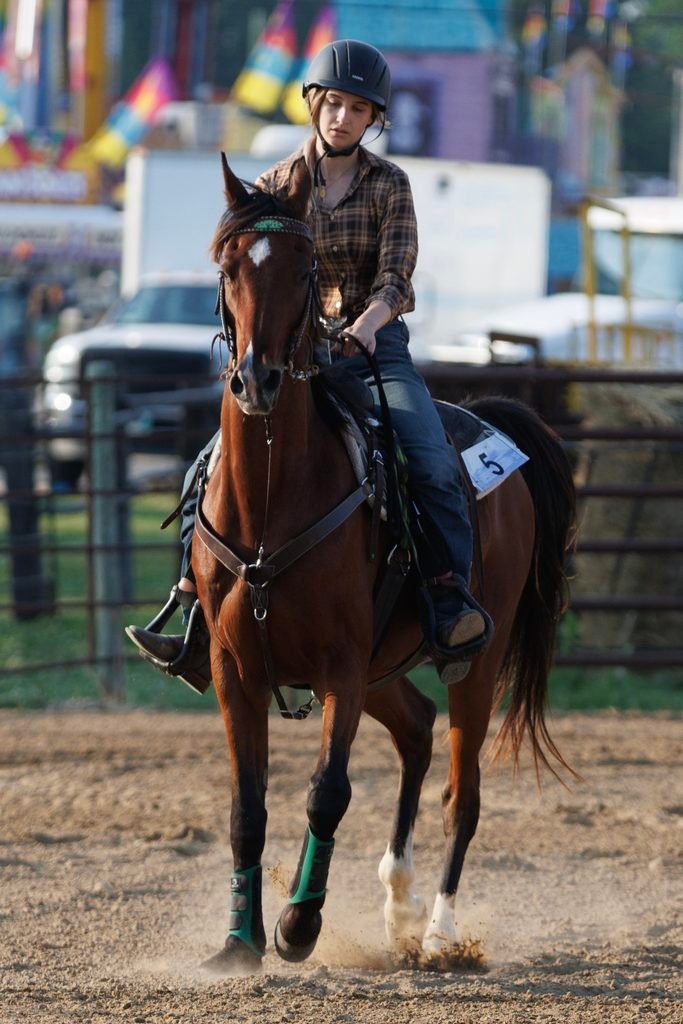
Apollo has crooked legs.
At the time, I didn’t notice because I didn’t know what I was supposed to be looking at. Jaydyn wanted to eventually compete, and had I understood more about conformation and had someone knowledgeable there to assess him with us, it probably would have affected our decision.
That doesn’t mean a horse has to look perfect.
It means I wish I’d had someone beside me who could point things out and explain what they might mean for the horse and for the type of riding we wanted to do.
Today, I’d pay much more attention to a horse’s legs, feet and overall conformation — and I’d bring someone experienced with me who knows far more about it than I do.
Those Papers? I Still Don’t Understand Them
Apollo is a registered Arabian, and we have his registration certificate and pedigree.
Do I understand it?
Nope.
I still don’t really know what I’m supposed to look for when I see a horse’s papers or what all of that lineage means.
At the time, I didn’t even know enough to realize that this was something I should learn about.
I also wish I had spent more time learning about different breeds before we bought. Different breeds have different traits and strengths, and if your goal is to compete in a particular discipline, it makes sense to learn which types of horses are generally well suited to what you want to do.
If we were starting over today, that would be part of our search from the very beginning.
The Purchase Price Is Just the Beginning
This one was a big surprise.
I knew horses would cost money. Obviously there would be board, feed and vet bills. They’re animals, and animals need care.
What I didn’t understand was just how many regular expenses come with owning a horse.
I had no idea horses needed their teeth floated.
I didn’t realize how often we’d be seeing the farrier — usually every six to eight weeks.
Then there are yearly vaccinations, tack, supplies and all of the other expenses that seem to appear along the way.
That $1,500 budget I was so focused on when we were shopping?
I quickly learned that buying the horse is only the beginning.
Then Came Finn
By the time Finn came along, we had more experience — although our buying process still wasn’t dramatically different.
The biggest difference was the horse standing in front of us.
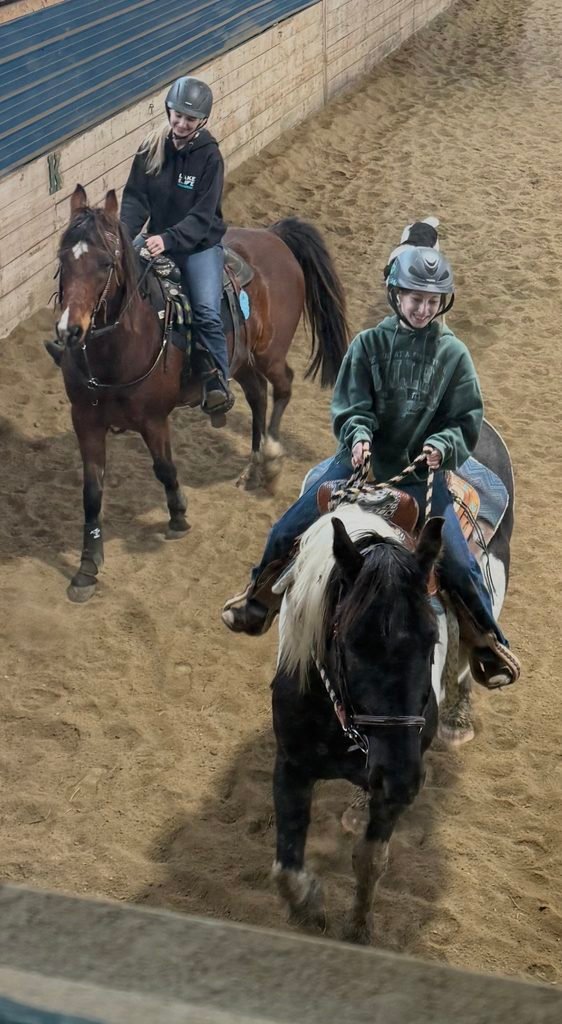
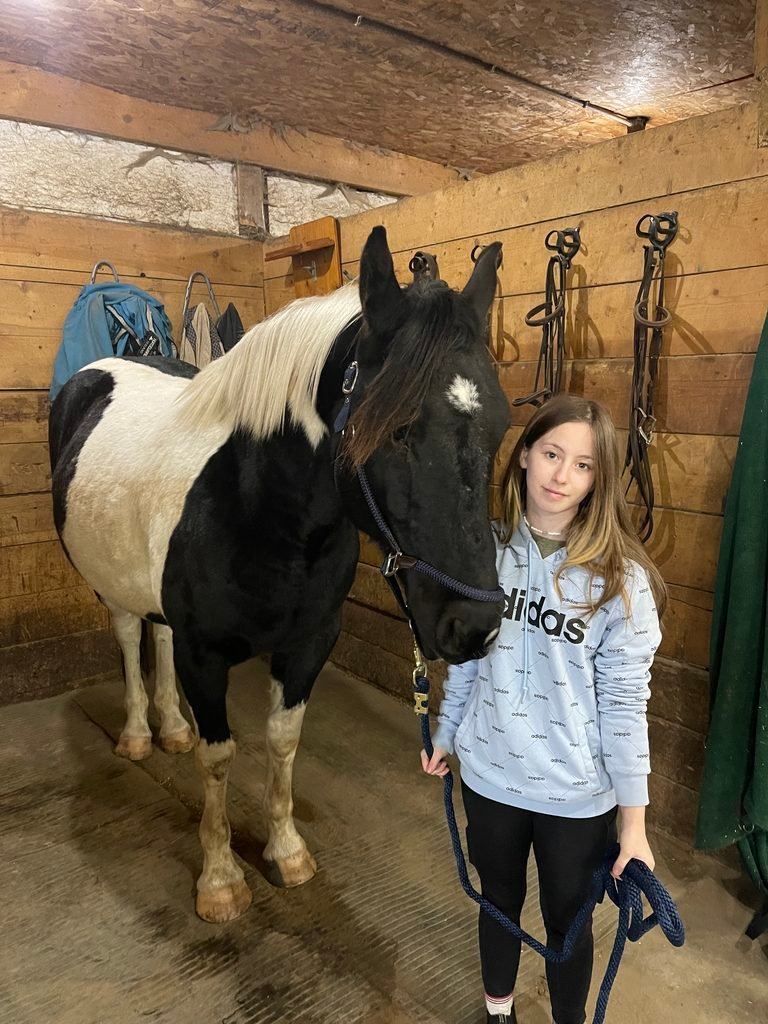
Finn appeared much more relaxed and had more training than Apollo had when we bought him. We mostly assessed him from the ground, but Kalley was able to get on him right away without being afraid.
That alone was a completely different experience.
With Apollo, we knew from the beginning that Jaydyn wouldn’t be getting on and riding right away. He was high-strung, herd-bound and needed time. We knew the two of them needed to build a relationship first.
Finn felt different.
Neither way necessarily makes a horse good or bad. But I’ve learned that you need to be realistic about what you’re bringing home and whether the rider is prepared for that horse right now.
What I’d Do Differently Today
If one of my daughters told me tomorrow that she’d found another horse she wanted to buy, I wouldn’t immediately start planning a road trip to go see it.
The first thing I’d do is send the ad to our friend and trainer at the barn where we board.
I’d ask what she sees that I don’t.
And when we went to look at the horse, I’d want her standing beside us.
I’d want someone knowledgeable looking at the horse’s feet, legs and conformation. I’d want help knowing what questions to ask the owner and what things we should be paying attention to.
I’d also spend more time researching breeds and thinking about what my daughters actually want to do with the horse. If they’re interested in a particular type of competition, I’d want us to look for a horse suited to that goal rather than falling in love first and figuring everything else out later.
Would I suddenly know everything?
Absolutely not.
That’s probably the biggest thing horse ownership has taught me: you don’t have to know everything, but you need to know when to ask someone who knows more than you do.
If You’re Looking for Your First Horse
I’m certainly not an expert in buying horses. If anything, our experience has taught me how much there still is to learn.
But if I could go back and talk to myself before we bought Apollo, I’d tell myself this:
Don’t just look at the horse. Look at what you want your life with that horse to look like.
Learn about the breed. Look at their feet and conformation. Think about the rider’s experience and goals. Understand the ongoing costs. Ask lots of questions.
And most importantly, bring someone knowledgeable with you.
Because sometimes the most important thing to know when buying your first horse is simply what you don’t know yet.