
Before Apollo came into our lives, I knew almost nothing about Arabian horses. If someone had asked me the difference between an Arabian and a Quarter Horse, I probably couldn’t have told them.
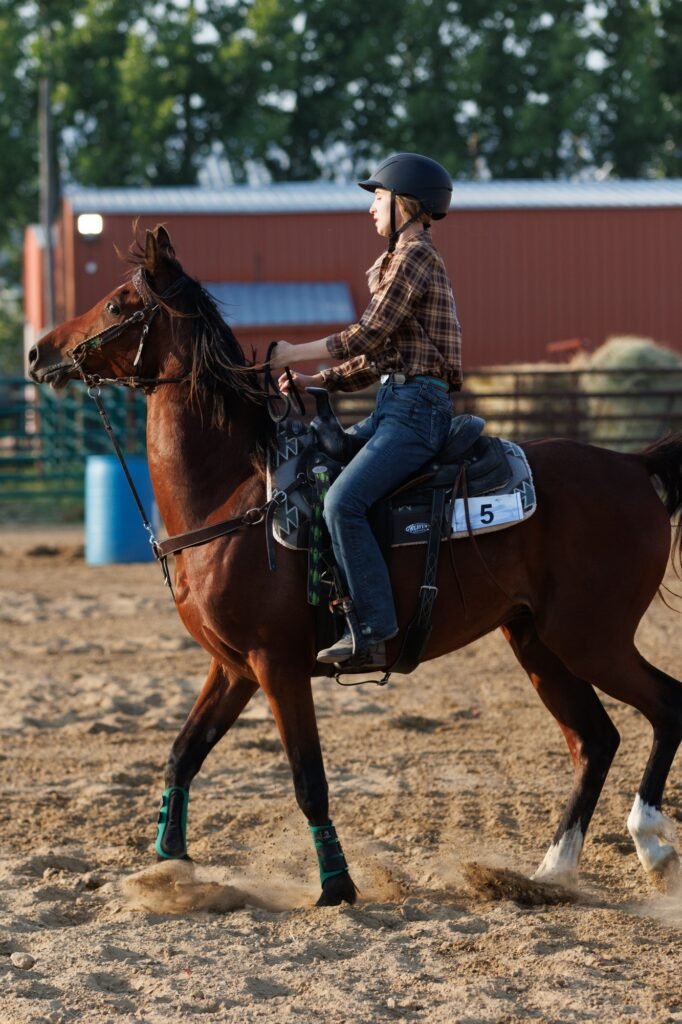
One of the first things you notice about an Arabian is their distinctive appearance. They have a refined head with a slightly dished profile, large expressive eyes, small ears, and an elegant arched neck. Many also carry their tails high when they move, giving them that proud, graceful look they’re so well known for.
When Apollo trots across the arena with his tail held high and those big eyes taking in everything around him, it’s easy to see why Arabians are one of the most recognizable horse breeds in the world.
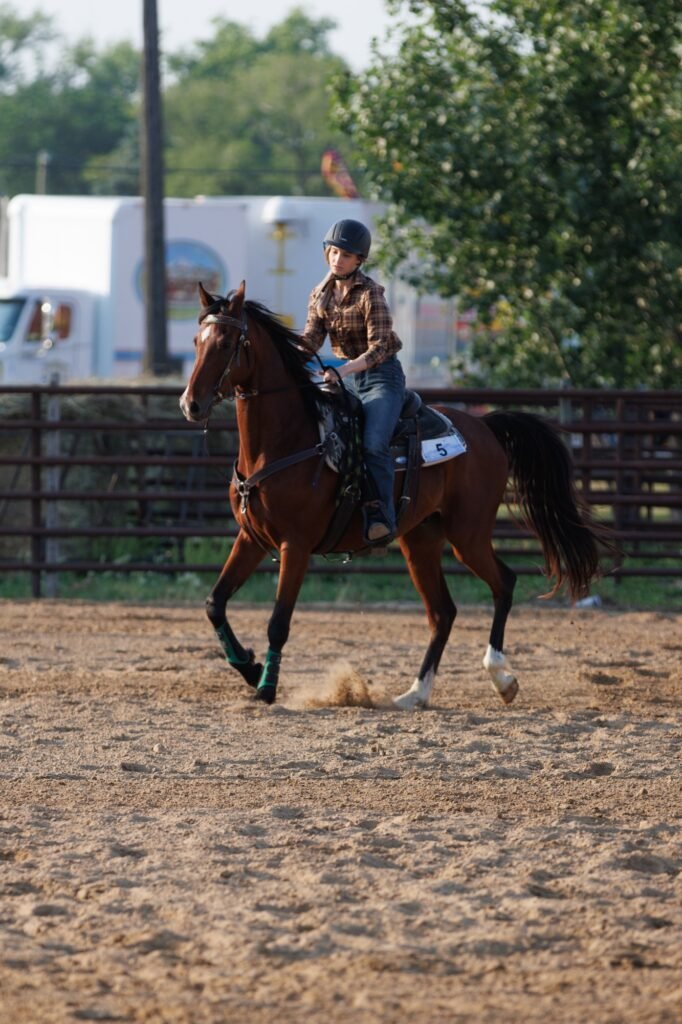
Arabians are also one of the oldest horse breeds in the world, and that long history has helped shape the intelligent, athletic, and enduring horses we know today.
In a funny way, Arabians remind me of my Siberian huskies.
They’re thinkers.
They don’t just obey — they process.
That intelligence can sometimes be mistaken for stubbornness, when really they may just be trying to understand what’s being asked of them.
They’re also incredibly aware of their surroundings, body language, and even the emotions of the person handling them. What can look like an overreaction may actually be a horse responding to something we haven’t even noticed yet.
One of the biggest things I’ve learned with Apollo is that trust matters.
Once an Arabian trusts you, they can give you everything they’ve got. That close bond is something you hear many Arabian owners talk about, and it’s something I’ve been lucky enough to experience for myself.
Arabians are athletic, curious, alert, and very expressive. To someone who is used to a quieter horse, all of that personality can sometimes be misunderstood.
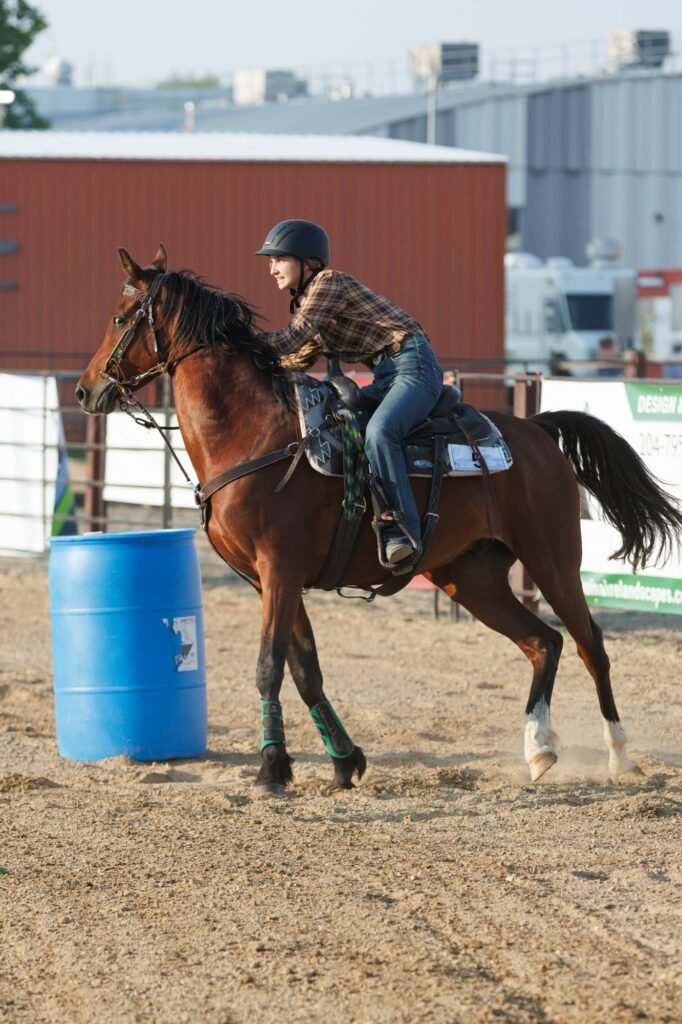
They’re also known for carrying themselves proudly and can be very expressive with their heads and necks. People unfamiliar with the breed may see head tossing and immediately assume the horse is being difficult or dangerous.
Of course, persistent head tossing can sometimes signal discomfort or a training issue in any horse. But Arabians can also use their whole bodies to communicate when they’re excited, curious, or simply taking in everything around them.
Apollo is no different.
His expressiveness, awareness, and larger-than-life personality are some of the things that make him the class clown of the barn.
Looking back now, I often wonder how much of what we experienced in those early days had less to do with Apollo being “dangerous” and more to do with us learning how to understand an Arabian horse.
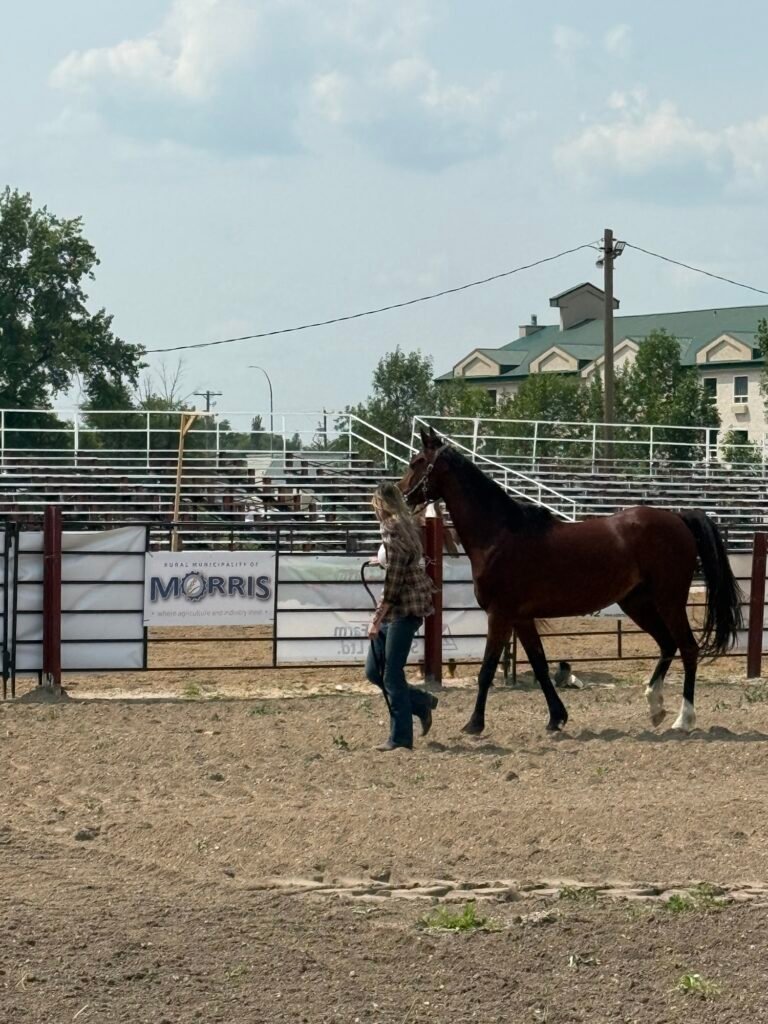
The more we learned about the breed, the more we realized that intelligence, sensitivity, and spirit can sometimes be mistaken for something they’re not.
Apollo still had a lot to teach us.
And we were only getting started.